
Now you’ve got the breasts off remove the inner fillets like so, (the fillet is the flappy part on the underside of the breast)
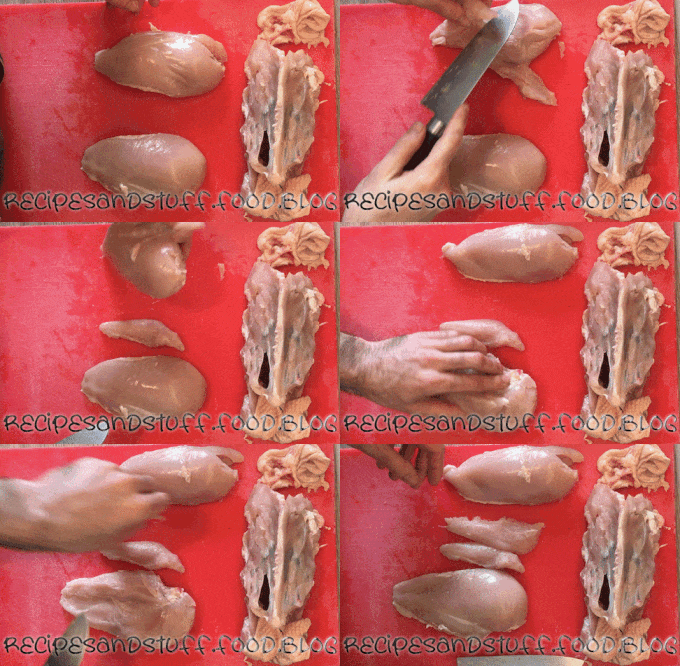
Now you’ve got the breasts off remove the inner fillets like so, (the fillet is the flappy part on the underside of the breast)
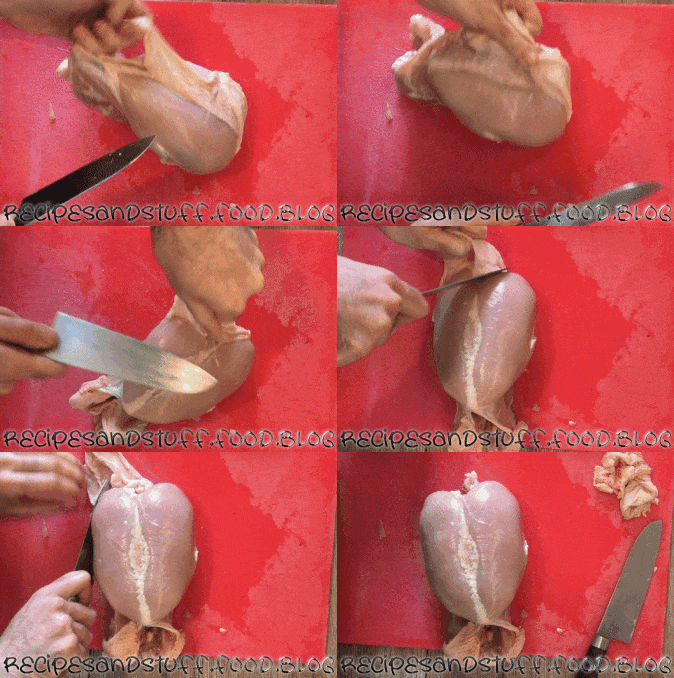
Now we’re left with the main cavity with the breasts attached.
First (unless you want to leave it on) remove the skin by starting pulling it up and the top/sides and gently glide the knife along where it’s still attached to the breast, the knife should do all the work for you be sure to apply a very small amount of pressure as you cut, too much with cut through the breasts.
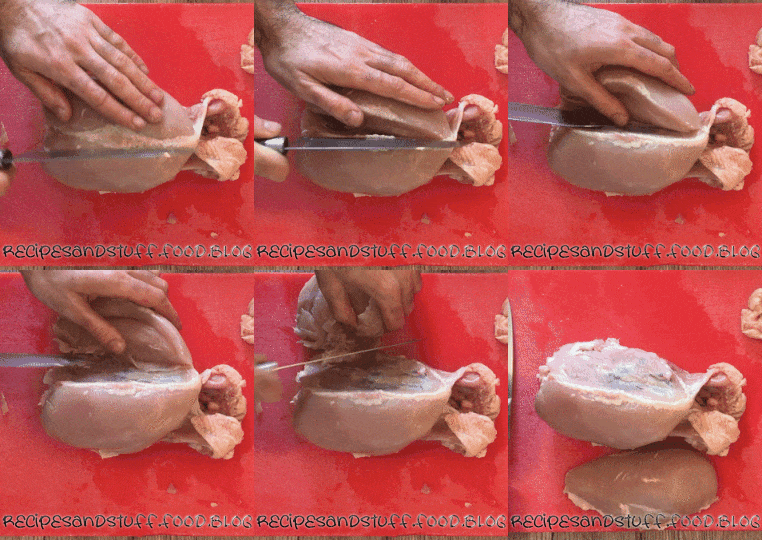
Now to take the breasts off, start by feeling the centre to find the spine and slice from the top as close as you can to the bone cutting down the side of the breast.
Continue cutting round the bottom to remove the breast.
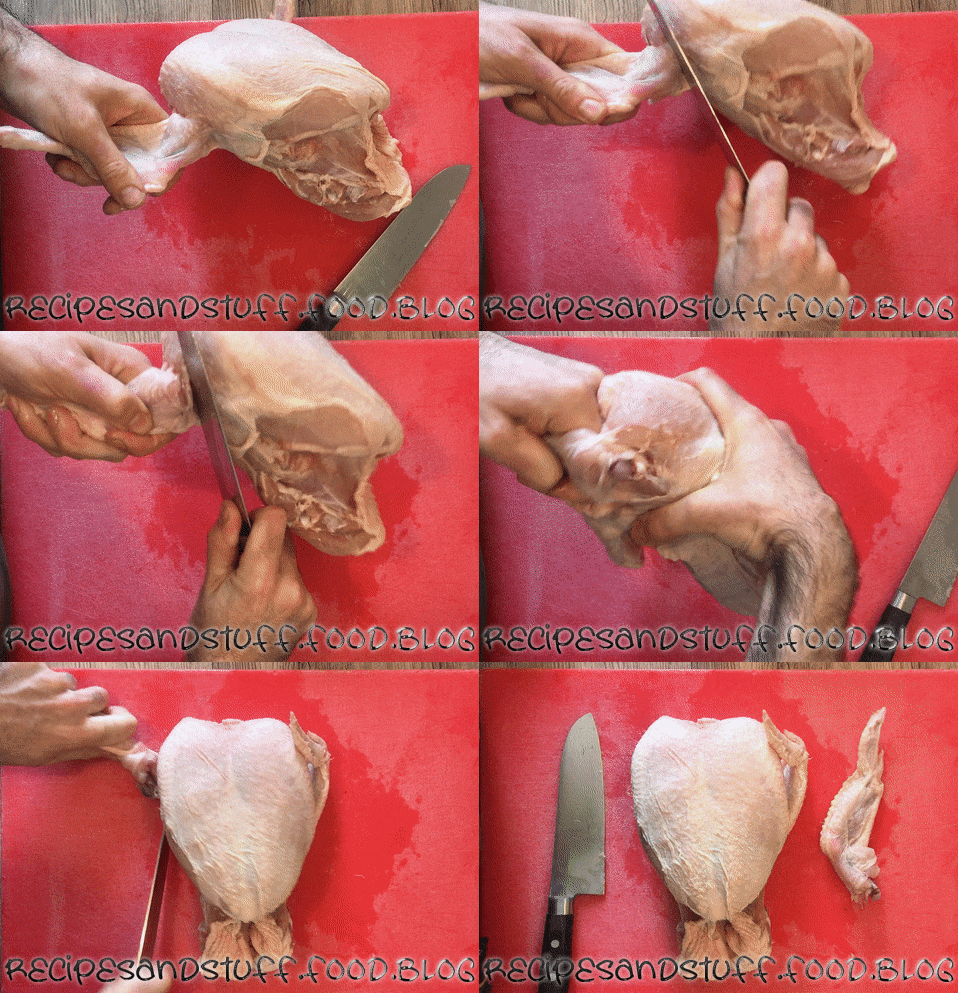
Next to take the wings off.
This is fairly similar to the legs, firs cut around the joint to expose the joint bone, again pop it out of place and cut through where to bone was obstructing.
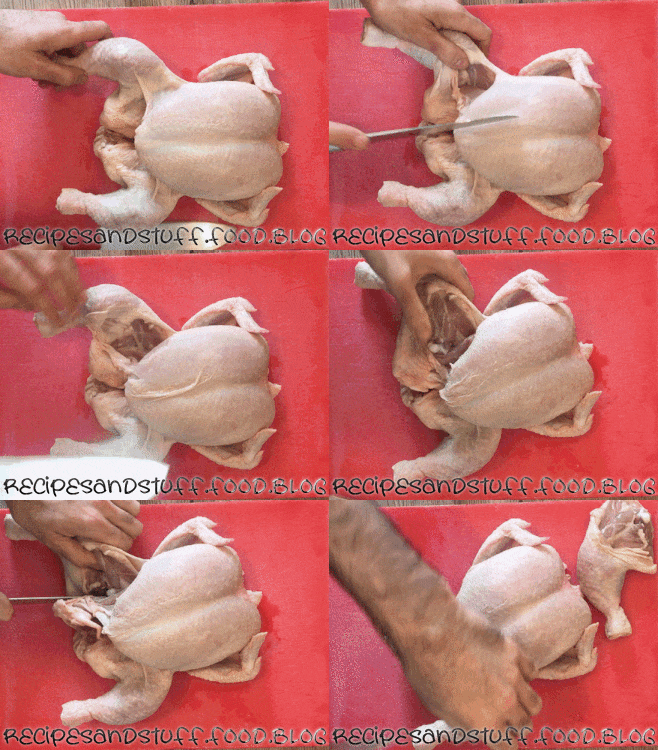
First things first, lets get the legs off!
Start by pulling the legs to the side then trim through the skin so you can see the flesh underneath.
No you need to pop out the bone joining the leg, pull the leg back and out the the left (or right, depending which leg you are removing) and you should hear or feel it pop out of place.
Now simply slice through where the joint was previously blocking the knife from cutting and you have a whole leg(s) with thigh attached.
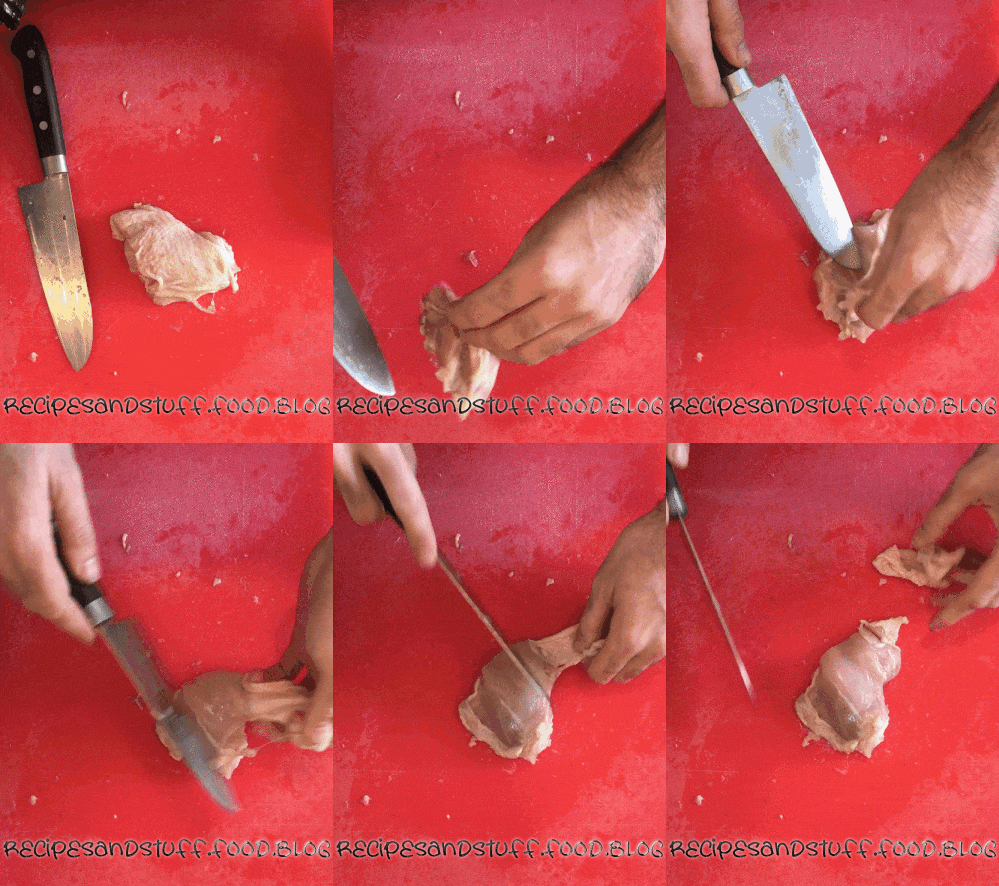
This is fairly self explanatory, using the knife gently remove the skin and trim off any large parts of fat.
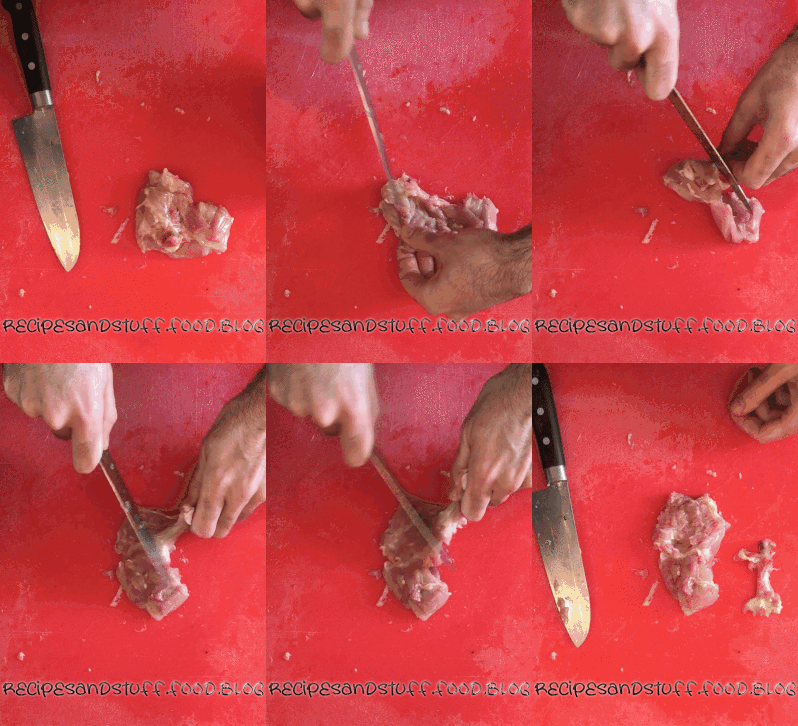
This is optional, but to remove the bone make an incision alongside it and the use the blade to scrape the meat from the bone, when you get to the end slice around the joint.
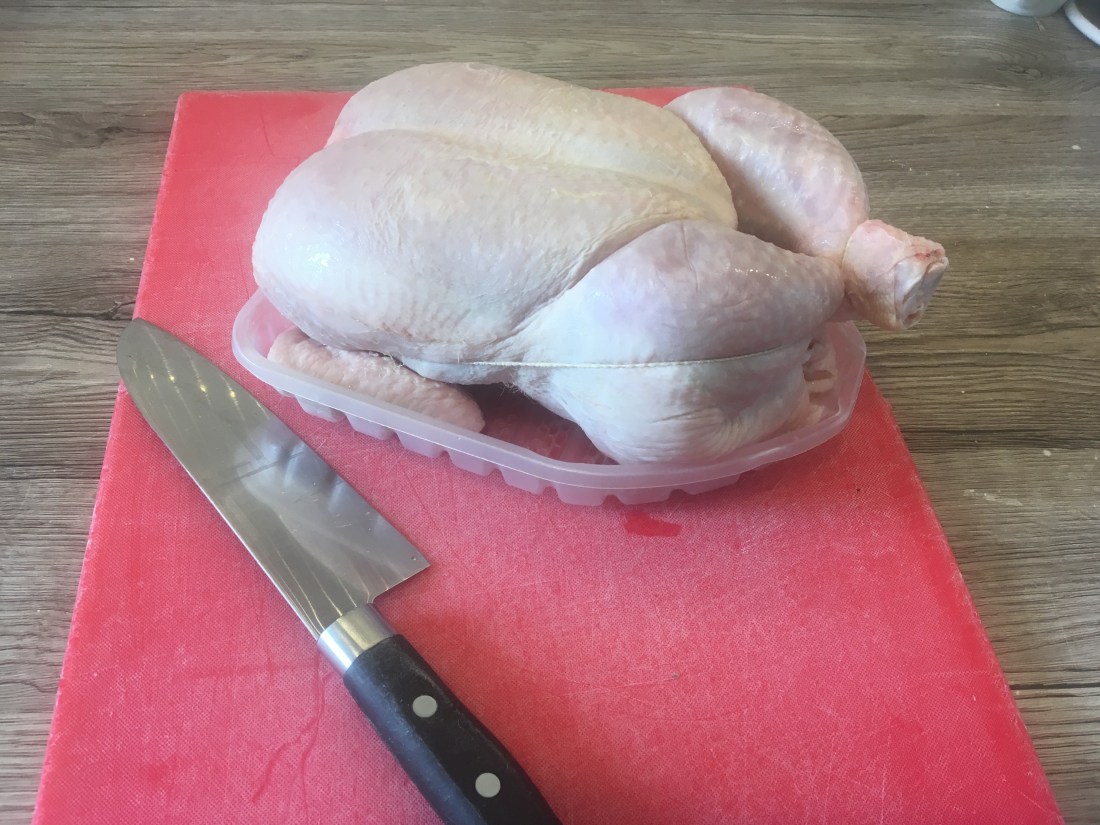
I thought given the current climate (lockdown etc.) this would be a handy post as it gets full use from a whole chicken.
If you don’t already know how to, you always should rather than buying it pre cut as you can save a bunch and it’s a handy skill to know!
By buying a whole chicken and cutting it apart yourself you end up with; 2 breasts, 2 fillets, 2 thighs, 2 drumsticks, 2 wings, 2 oysters (inner thigh) and a chicken carcass you can use to make a lovely stock.
At the time of writing a medium chicken (1.3-1.5kg) costs around £2.95 so you can already see the savings.
I’ve split it up into sections, so just click the relevant link.
Let’s get to it!
You can remove the meat from the wing, but its hardly worth it, i would just cook them as wings to throw them in a stock.
You can also cut the meat in the same way you would removing the bone from the tight on the drumstick to either remove the meat or make a chicken lollipop looking thing.
So i’ve done this with a large chicken, it weighed about 1.65kg and cost me £3.70
For the sake of costing, i separated the whole chicken into 3 parts, first the 2 breasts with the inner fillet removed. Then i took the remaining meat (thighs, drumsticks, fillets and what else i could salvage from the remains) and diced it all up. I then used the remains (carass, skin, wings and any offcuts) to make a stock which i froze into stock cubes, which i can tell you are about 2-3x more powerful than what you’d get from a shop.
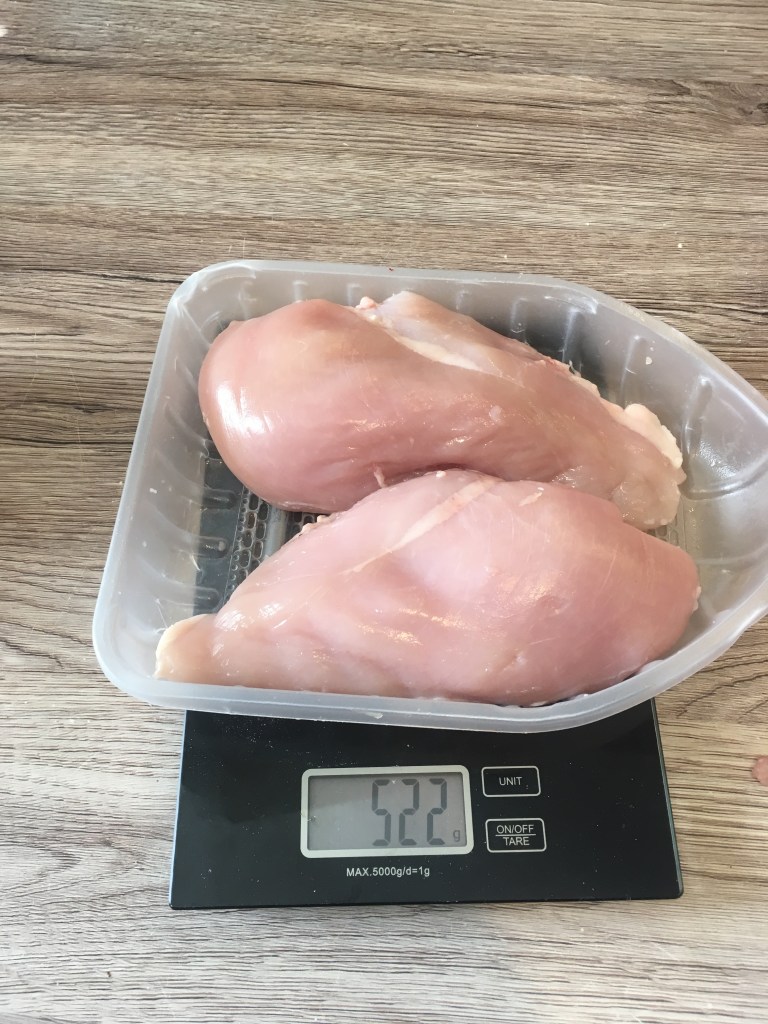
As you can see here the 2 breasts with the fillets removed have a combined weight of 522g.
Todays price (at tesco) for chicken breasts is £5.85/kg so that’s £3.05 worth of chicken breast.
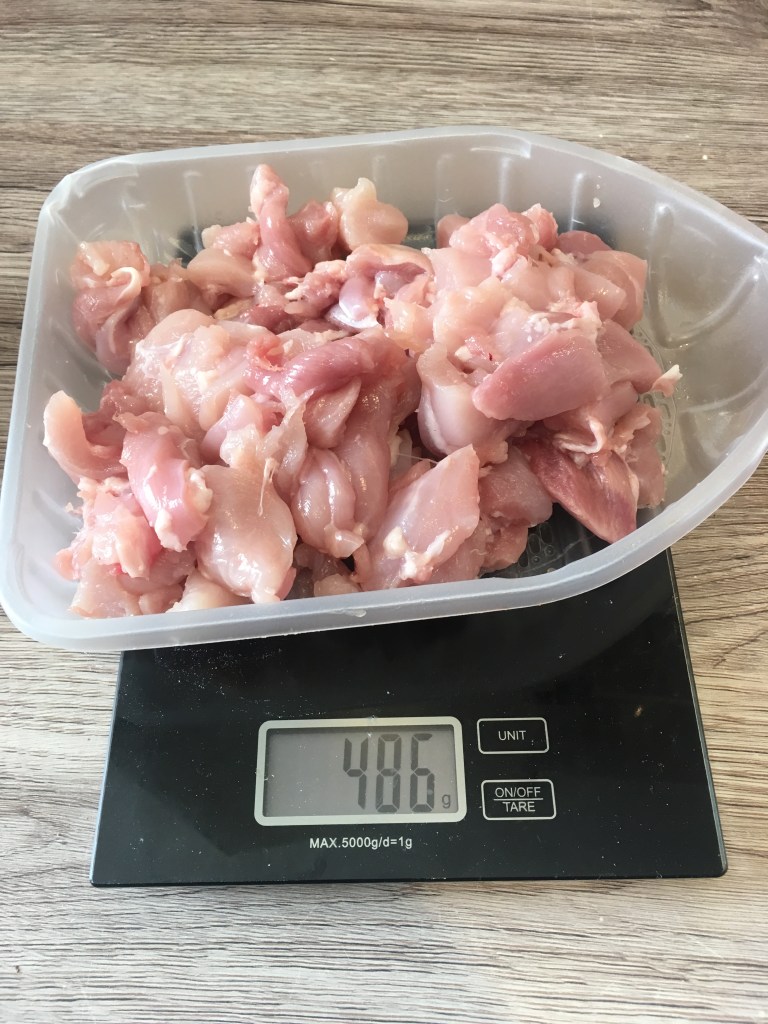
The remaining meat that i diced up came to a total weight of 486g, it’s mainly brown meat which is generally better for dishes using diced meat (curries etc.)
The cost of diced chicken breast is the same as above (£5.85/kg) so i’ve reduced it a bit as thighs and drumsticks are cheaper, however the meat being removed from the bones adds a value, anyway lets say its about £4/kg.
That makes the diced meats value £1.94 making the total value around £5.
I boiled the rest up (bones, skins, carcass) with some onion and carrot and reduced it down to about 700ml of pretty potent chicken stock which i froze in ice cube trays and keep in the freezer in a bag.
As you can see, they weigh 3x more than a regular Oxo cube, are 100% homemade and generally have a stronger and more concentrated flavour.
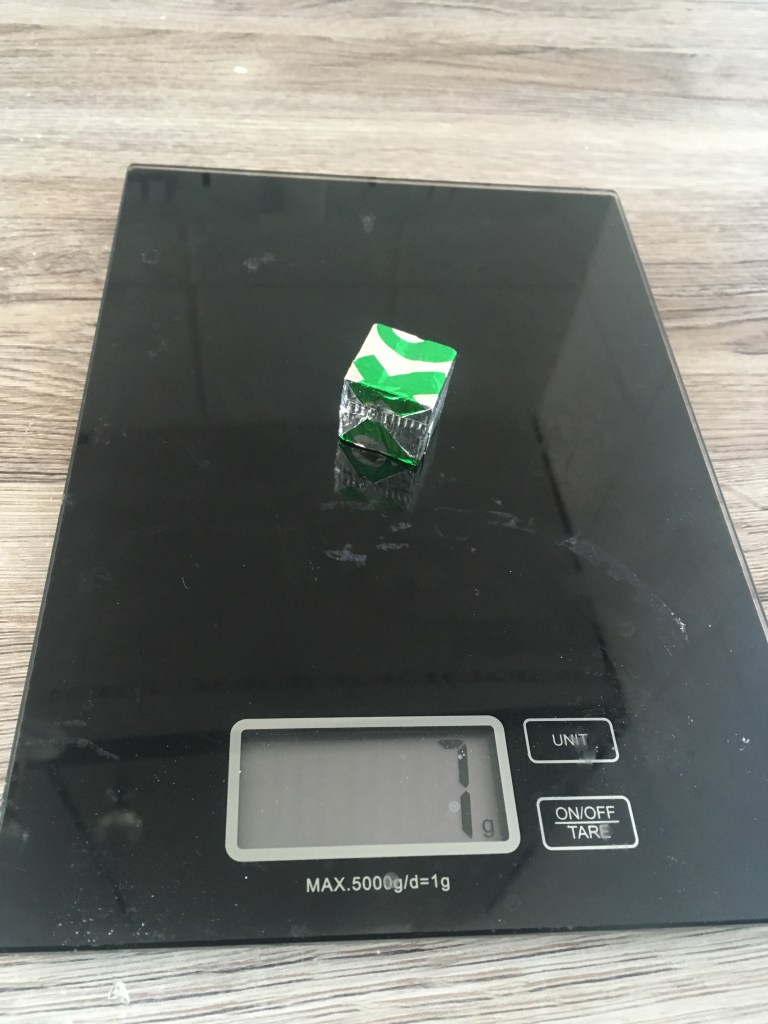
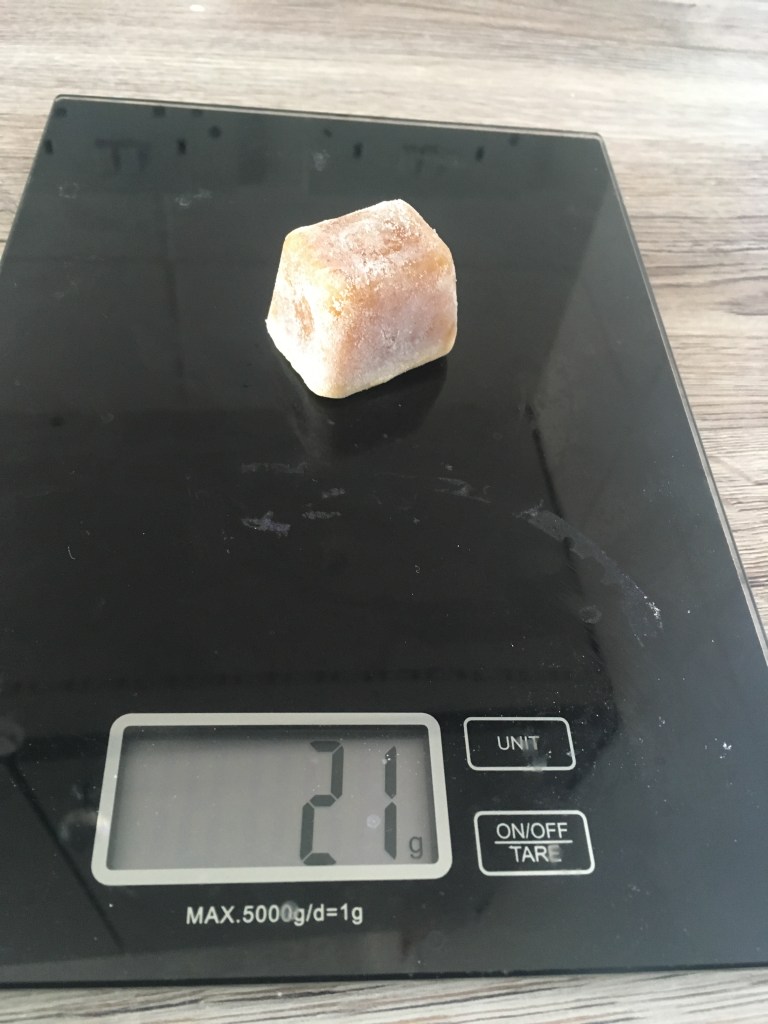
So i got 18 stock cubes from the chicken remains which is the equivalent of 56 Oxo cubes which based on today’s price would cost you £7!
Added onto the value of the meat that comes to £13 worth of ingredients for a mere £2.95!
Amazing how much you can save when you do things yourself!

I only discovered these things a while ago and they’re great!
With the use of a microwave these mug cakes take a grand total of about 4-5 minutes to make.
To the recipe!
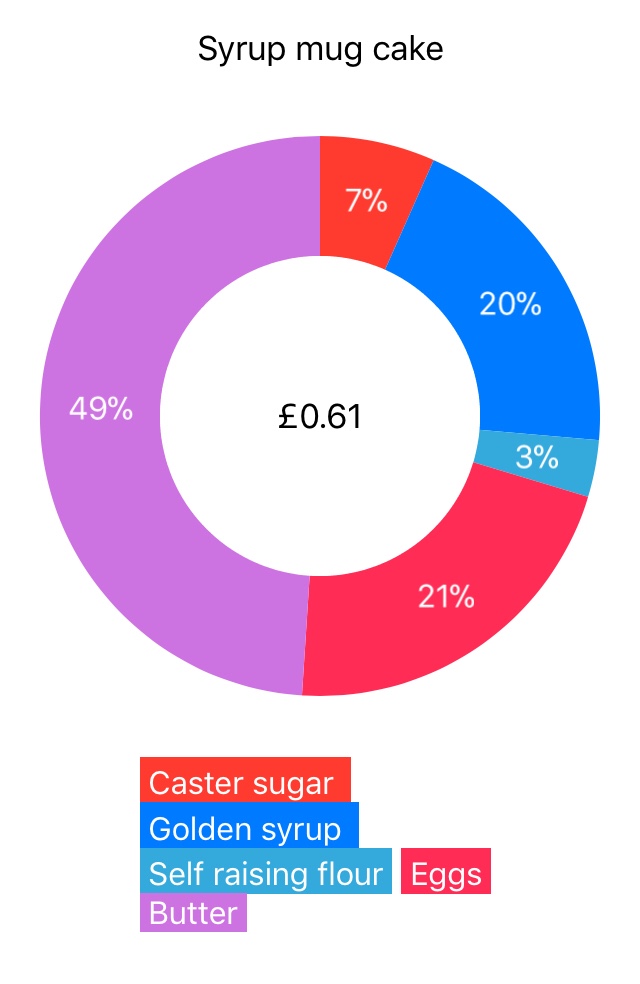
As you can see the most costly part is the butter, if you substitute this for a plant/oil based spread it can cut the cost to as little as 41p per cake.
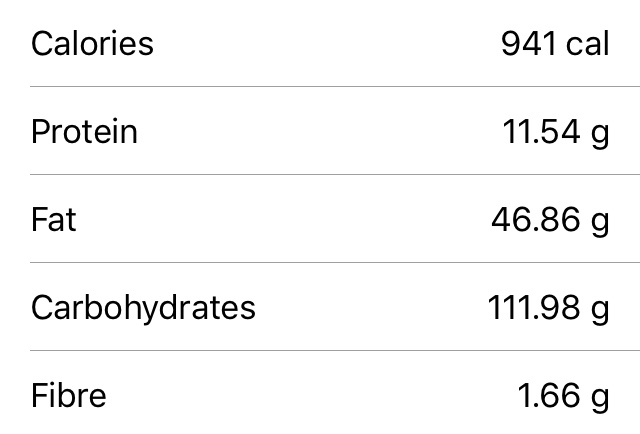
Nutritional values per cake, as you can see it packs quite a calorific punch🤛.
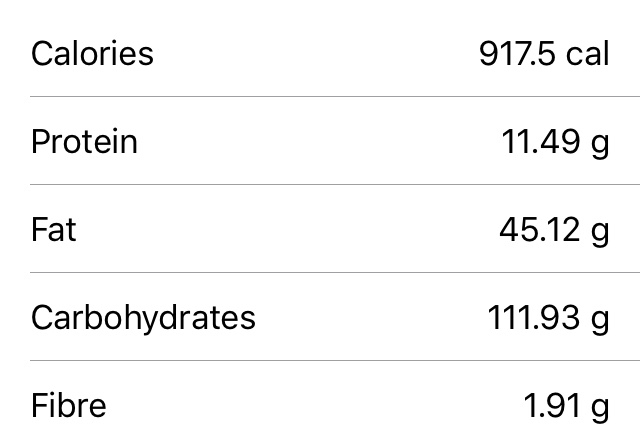
Here the nutrition info per cake if you’re using a plant/oil spread instead of butter, not much budge though it’s about 20kcal less than butter, the biggest difference is the amount of fat but that only just over a gram.
More recipes soon!
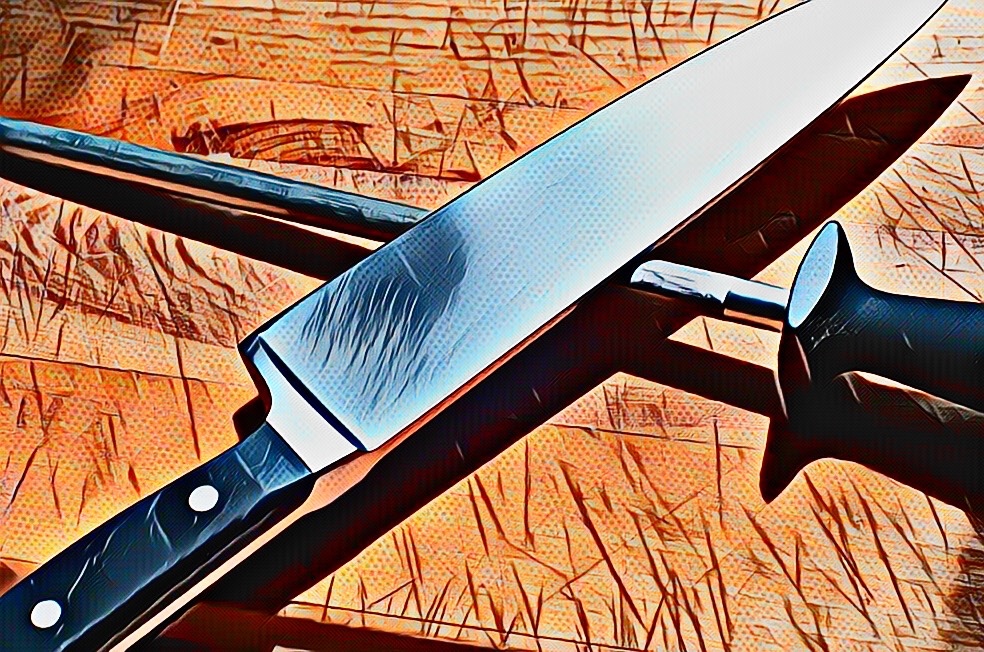
As the name suggests, the go to tool for a chef that needs a knife. Here’s a short guide about this type of blade including,
Thought not my favourite general use blade I find having a large chefs knife (20cm) can be a handy thing to have at times, some go as big as 30cm (good for cakes or pies).
Also known as a cooks knife, this tool was first created mainly for the purpose of disjointing and cutting up large joints of beef, but these days it’s (probably) the most commonly used knife is western kitchens/cooking.
The western version of the chefs/cooks knife comes mainly in 2 forms;
The French style blade; which has a longer flat edge and then curves up to the tip nearer the end of the blade, like walking along a path and having a steep hill halfway along, or,
The German style blade; which is more of one big curve up to the tip of the blade, like walking along a path that is a continuous but not so steep hill.
The most common size I know of is about 18-20cm but they can vary from 14cm all the way up to 36cm, big! The width of the blade tends to be around 3-4 inches at the large end (where the handle is).
The Japanese version of a western chefs/cooks knife is called a gyuto, which apparently literally translates to ‘beef knife’.
A Chinese chefs knife on the other hand is completely different! If you saw one you would probably think that it’s a meat cleaver, though the blades are much thinner.
A santoku knife (possibly my favourite) is also a Japanese style chef/cooks knife. It’s similar in size and appearance, but usually a bit smaller (12-16cm) and blade is completely straight like a ruler (or a cleaver) and has a curve on the top, rather than the sharp edge of the blade. It’s also more lightweight, and tends to be much sharper.
A chefs knife is for general all purpose use, including;
Most commonly they’ll be made from stainless steel or carbon steel but they also come as ceramic or various other grades or mixtures (laminated), I’ve got a santoku style one that made of molybdenum steel it’s incredibly light and thin.
Generally speaking carbon steel will be easier to sharpen and should stay sharper longer, but can be prone to rusting and staining so watch out how you clean it and store it, they require quite a bit of care if you want it to last.
Good old stainless steel is hardy stuff and will last for years, but comes in many forms, as far as I know there are literally 100s (1000s) of types of stainless steel. The drawbacks are, especially with low grades of stainless steel, that it won’t hold a sharp edge for very long so will need sharpening more often which in turn wares the blade down faster.
High grades of stainless steel (such as the one I mentioned above) can actually work more effectively that carbon steel, but as you’d expect it tends to be more expensive.
Laminated knives are layered layers of different metals, usually a mixture of carbon and stainless steels, trying to make the best use of metals at each part of the knife.
A ceramic blade is quite an interesting thing, they are completely non reactive, which is nice as it will ensure no metaly taste will transfer to the food (I.e. rust) and also they won’t rust or discolour (it’s ceramic). They hold a sharp edge extremely well but the drawback here is that they require specialist equipment for sharpening, which is fine if you have time to go out the way to get it sharpened. Also it is ceramic, so it can get chipped or break if dropped.
Is up to you really, but generally the post effective way to hold it is with your index finger and thumb gripping the base of the blade, with the handle resting in your palm.
Click here to see how to sharpen knives.
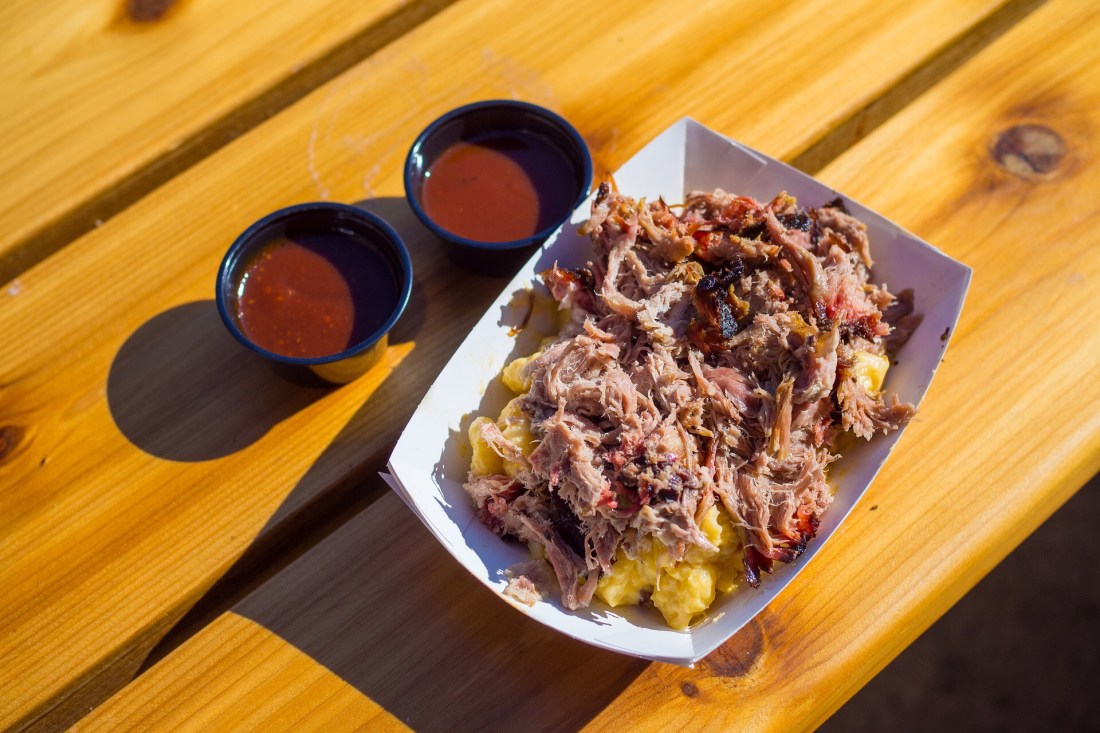
Something that’s certainly gotten more popular in recent years, I like using cider for the apple flavour with a bit of bbq sauce to finish it off.
This method uses a slow cooker, if you don’t have one just use an ovenproof dish with a lid/tinfoil and the oven on about 110°c.
The above recipe costs a total of about £6 and makes 7-10 portions, so somewhere between 50-80p per serving, a lot cheap than you’d pay for it premade!
Here’s the nutrition info per 100g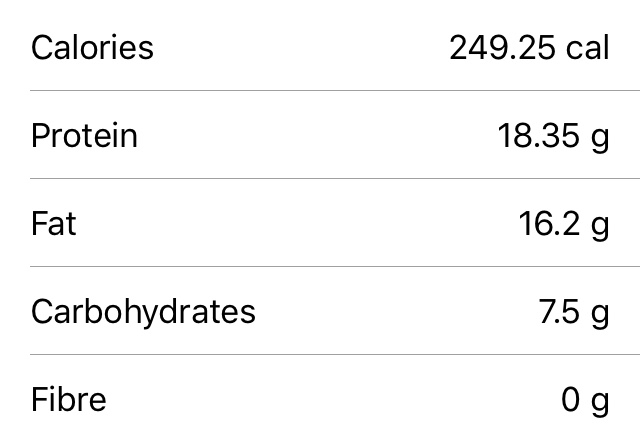
More recipes soon!
 Recipes and Stuff