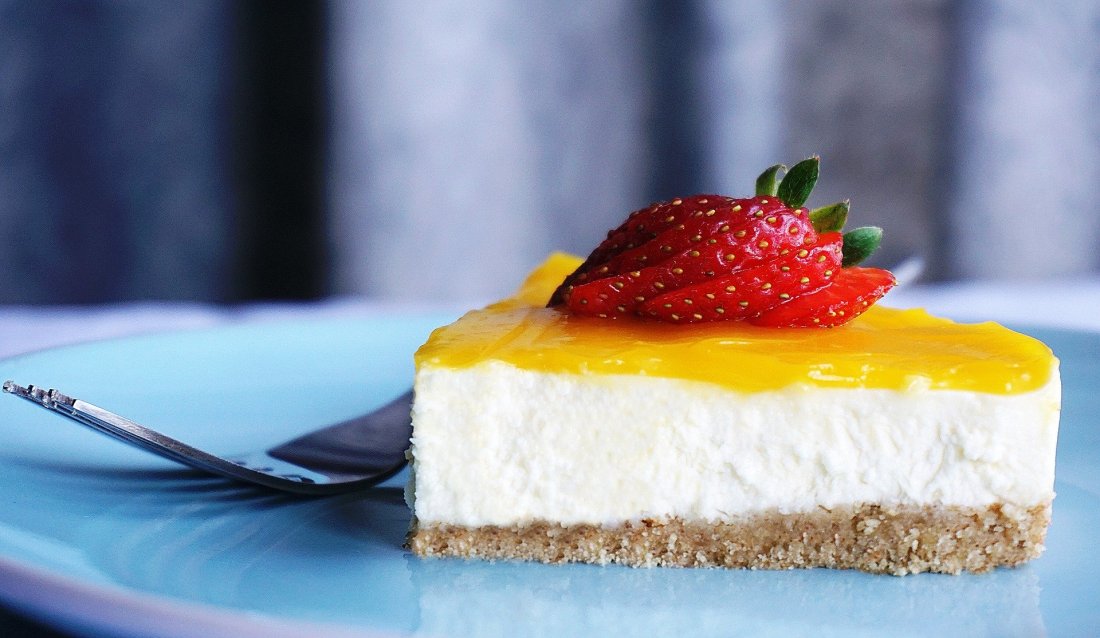
White chocolate and Strawberry Cheesecake (no bake)

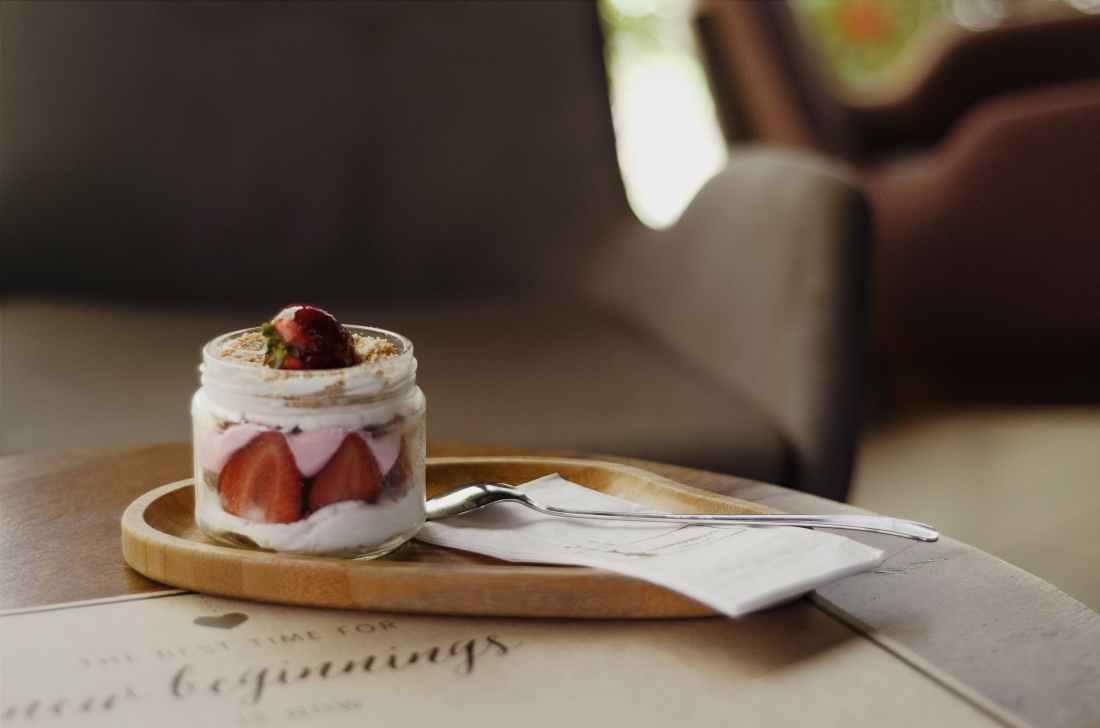
We all love cheesecake!

This was a request from the Facebook page, you can use dark chocolate but i find the flavour of white chocolate works a bit better with the strawberry and slight sourness from the cheese.

Recipe!

Ingredients (serves 8)

For the base

  • 1 pack of biscuits (i like to use hobnobs)
  • 100-200g butter (depending how buttery you like the biscuit base, using more than 150g can make the base go soggy though)

For the filling

  • 200-400g strawberries, sliced (thickish, about 4 slices per strawberry)
  • 200g White chocolate
  • About 400g soft cream cheese
  • 50-100g icing sugar
  • 200ml double cream
  • Fresh mint or basil leaves (optional, to decorate)

Prep and cooking (30 minutes)

  1. First smash the biscuits up, easiest if you’ve got a food processor just blend them with a blade attachment, if not chuck them in a sealy bag and wrap a towel around it and smash it with a rolling pin.
  2. Put the biscuit dust into a mixing bowl and melt the butter in a saucepan over a medium heat.
  3. Mix the butter with the biscuit until it holds together.
  4. Line a cake tin with baking paper and layer the biscuit over the bottom, push down with a wooden spoon or your hands to compact it into the cheesecake base, cover with cling film and put in the fridge for about 20 minutes.
  5. Whilst it’s cooling down make the filling, melt the chocolate over a bain marie on the stovetop (saucepan with small amount of water in and a bowl over the top, using the steam to heat) or in a microwave, if using a microwave be careful not to burn the chocolate.
  6. In a seperate mixing bowl whisk the cream cheese with the sugar, add 1-2 tbsp of boiling water and whisk until its nice and smooth.
  7. Now pour in the melted chocolate with 2-3 tbsp of the cream and mix well.
  8. Put a layer of strawberry slices over the biscuit base and then cover with the cream cheese mixture and spread out evenly.
  9. Whip the rest of the cream and layer this on top of the chocolate/cheese filling.
  10. Arrange the rest of the strawberries on top, decorate with mint or basil leaves if using.
  11. Eat the damn thing.

More recipes soon!
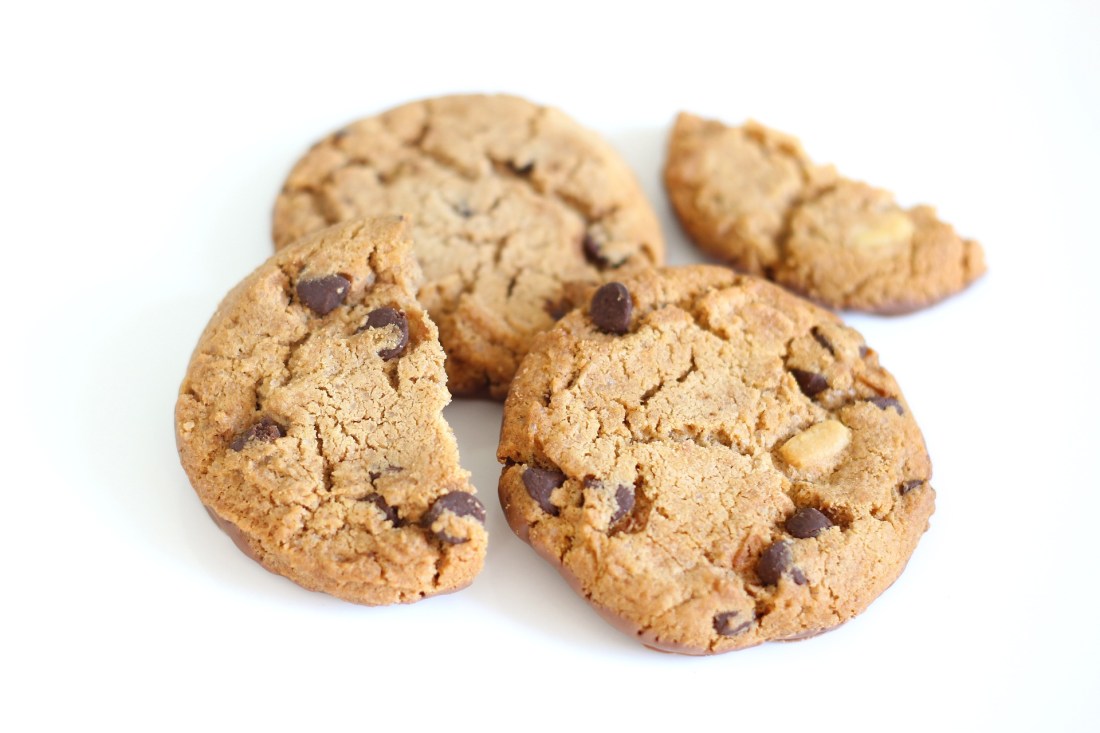
Cookies; something to make with the kids on lockdown

This recipe is a request from the Facebook page.

Cookies are great to make with kids, they’re easy, quick and delicious (and kids love them!)

To the recipe, this is a sightly simplified version to make it easier for the kids.

Ingredients (Makes 15-20 cookies)

  • 300g plain flour
  • 200g caster sugar
  • 200g butter (melted)
  • 1 tsp baking powder
  • 1 tsp vanilla extract
  • 1 egg
  • 100-200g chocolate chips or broken up chocolate bars

Prep and cooking (30 minutes)

  1. Preheat the oven to 160°C (fan).
  2. Mix the melted butter, vanilla extract and sugar together with a wooden spoon in a mixing bowl.
  3. Sift the flour and baking powder and mix well.
  4. Add the chocolate chips and mix.
  5. Line a baking tray (or trays) with baking paper.
  6. Roll the cookie dough into small balls (you should get 15-20) and flatten them slightly onto the baking tray leaving about 2 inches between them.
  7. Bake for 15-20 minutes (it depends on the size) until the edges start to turn slightly golden.
  8. Enjoy! (I prefer them when they’re still warm).

More recipes soon!

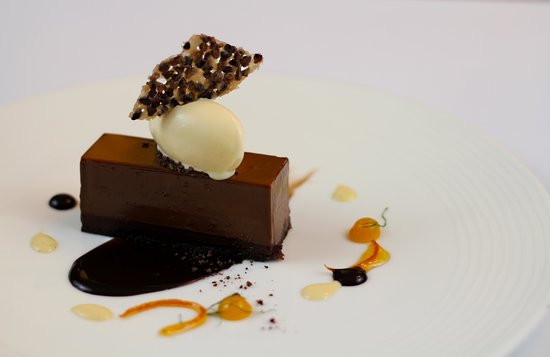
Chocolate Crémeux Recipe

(above image from Gordons Restaurant with Rooms)

If you like chocolate, you’ll love this.

I’ve been asked for a recipe for something sweet and chocolatey, and this definitely fits the bill!

As you would expect using a better quality chocolate ends up with a better tasting desert.

Lets get to it!

Ingredients (serves 6-8)

For the base

  • 30g butter
  • 50g self raising flour
  • 30g demarara sugar
  • 1 or 2 tsp cocoa powder

For the filling

  • 1 egg
  • 100ml whipping cream
  • 150ml whole milk
  • 150g dark chocolate (min.70% cocoa solids)

Prep and Cooking (45+ minutes)

  1. First make the base, preheat the oven to 160-170°c (fan) and line a baking tray with baking paper and place a tart ring on top (if you don’t have a tart ring you can use the outer part of a cake tin that holds the base in place).
  2. Mix the butter, sugar, flour and cocoa powder to make a crumble and layer over the bottom of the tart ring to create the base, cook for 10-15 minutes, remove from oven and leave to cool.
  3. Now for the filling, make a bain marie with a bowl and saucepan of water to melt the chocolate in, whilst it’s melting bring the milk and cream to a boil and beat the egg in a seperate bowl.
  4. As the milk and cream comes up to boil remove it from the heat and slowly pour it over the egg whilst whisking constantly, then slowly pour this into the chocolate mixture whilst whisking.
  5. Pour the mixture over the base, cover with cling film and refrigerate for at least 6 hours.
  6. Enjoy! try not to put yourself ito a diabetic coma with these things..

More recipes soon!

Syrup mug cake recipe

I only discovered these things a while ago and they’re great!

With the use of a microwave these mug cakes take a grand total of about 4-5 minutes to make.

To the recipe!

Ingredients

  • 1 egg
  • 50g butter
  • 30g caster sugar
  • 50g self raising flour
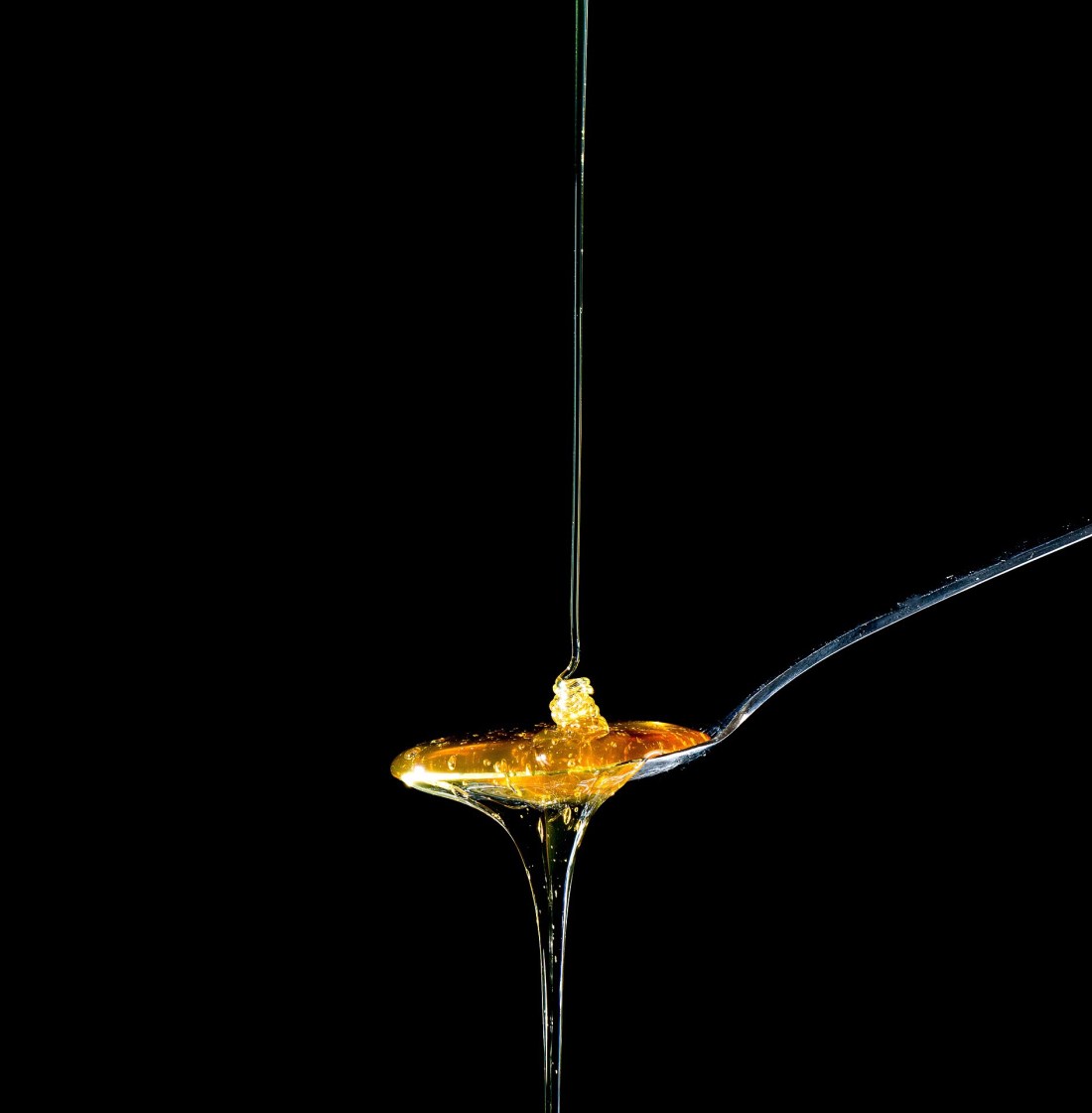
  • 4-8 tbsp golden syrup

Equipment

  • A mug
  • Small mixing bowl
  • Scales
  • Wooden spoon
  • Microwave

Prep and cooking (5 minutes)

  1. Weigh the butter and sugar in a mixing bowl and beat with a wooden spoon until pale and creamy.
  2. Add the egg and beat well until combined with the butter and sugar.
  3. Sift the flour (if you have a sieve) and mix well until you have a nice cake batter, add 2-4tbsp of golden syrup and mix well. If it’s really (too) thick add a little milk.
  4. Rub a little butter or oil around the inside of the mug the put another 2-4 tbsp of golden syrup in the bottom of the mug.
  5. Fill the mug with the cake batter, it should be somewhere around 1/3 full.
  6. This part depends on your microwave because let’s face it, they’re all different. I find it usually takes about a minute and a half on full power (850w) but you’ll have to experiment.
  7. When it’s done go round the edges with a knife or pallet knife and turn it out onto a plate.
  8. Enjoy!

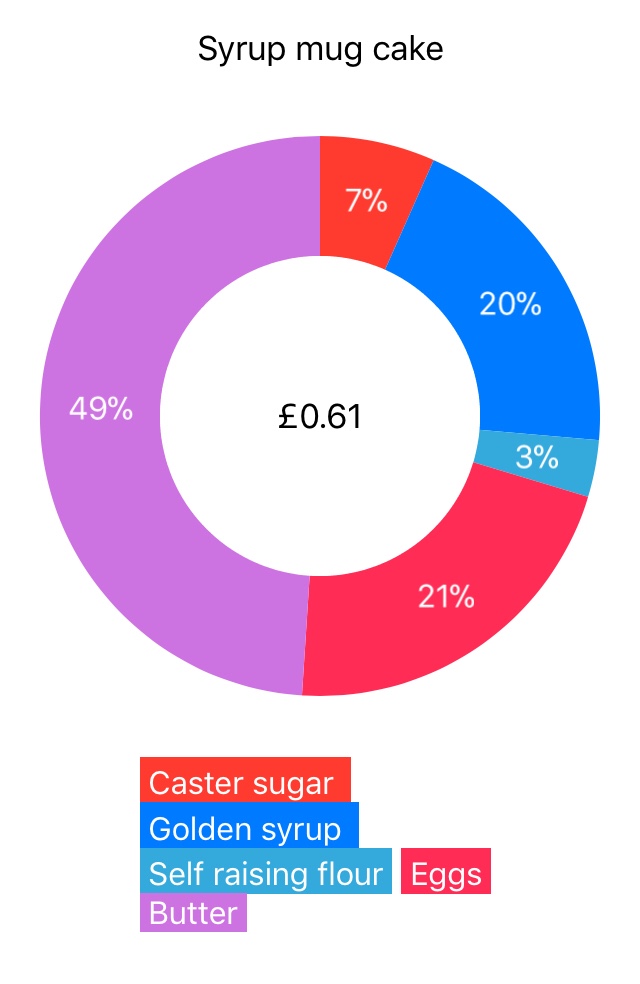
Costing

61p per cake

As you can see the most costly part is the butter, if you substitute this for a plant/oil based spread it can cut the cost to as little as 41p per cake.

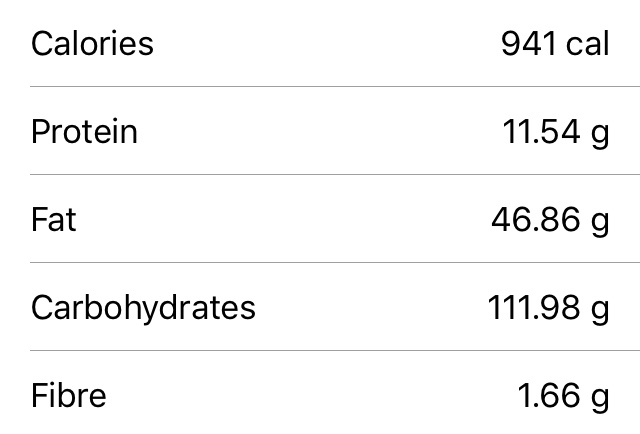
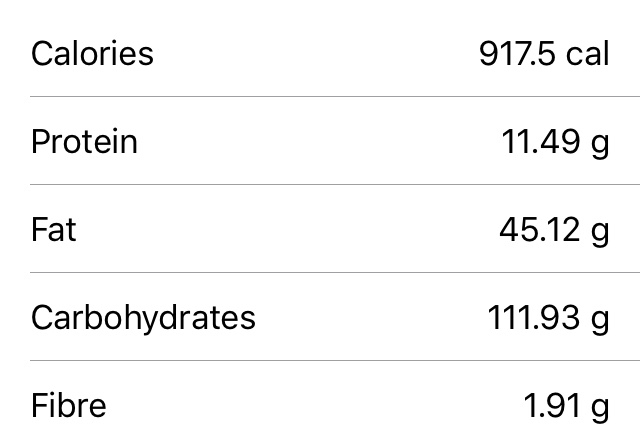
Nutrition

Nutritional values per cake, as you can see it packs quite a calorific punch🤛.

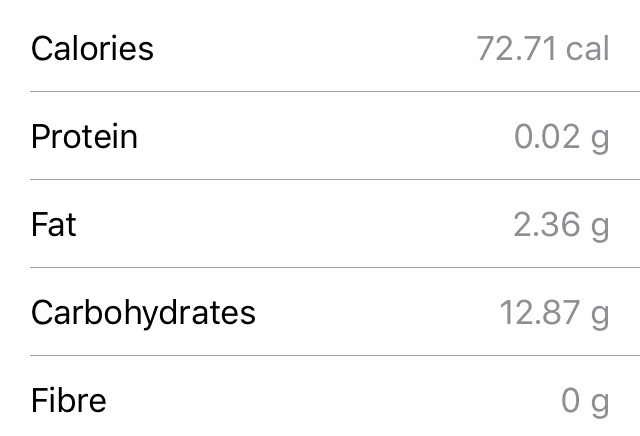
Here the nutrition info per cake if you’re using a plant/oil spread instead of butter, not much budge though it’s about 20kcal less than butter, the biggest difference is the amount of fat but that only just over a gram.

More recipes soon!

Liquid glucose recipe

Liquid glucose is pretty much what it says it is, liquid sugar.

It’s used mainly for confectionary, adding liquid glucose to something that already has glucose (sugar) will (or should) stop the sugar from crystallising.

I recently put up a recipe for fudge which calls for liquid glucose, buying it from a shop can be surprisingly expensive, about £2 for 140g whereas making it cuts the cost down to £1 for about 500-700g.

Ingredients (makes about 600g)

  • 500g sugar, granulated has a lower chance of crystallising but I’ve always used granulated
  • 200ml water
  • 5g cream of tartar
  • 2-4g citric acid, or lemon juice

Equipment

  • Saucepan
  • Something to put the glucose in, I use glass jars
  • Wooden spoon

Prep and cooking (10+ minutes)

  1. Put all the ingredients in a pan on a low heat and stir gently until everything has dissolved.
  2. Leave the heat low and cook for anywhere between 5-35 minutes, I like to use as low a heat as possible. It should thicken up when it’s ready. Remember to stir occasionally.
  3. Transfer to jars or whatever you’re using to store it in.
  4. Use when needed.

More recipes soon!

Vanilla fudge recipe

Fudge! Who doesn’t love fudge, soft, sweet and, well, fudgey.

It’s pretty tricky to get it right, so a sugar thermometer/digital thermometer will really help here.

To the recipe!

Ingredients: makes about 1kg of fudge (£3-6)

  • 450g caster sugar
  • 450g double cream
  • 100g butter
  • 20g glucose syrup, about a tablespoon
  • 1 tbsp of vanilla extract, essence or vanilla bean paste, paste tastes better but is more expensive.
  • 1 tbsp salt

Equipment

  • Cake/baking tin, preferably square or rectangle and fairly large (18-23cm)
  • Saucepan
  • Wooden spoon
  • Sugar thermometer or digital thermometer
  • Pallet knife
  • (Optional) baking paper

Prep and cooking (45-60+ minutes)

  1. If you’re using baking paper, line the tin with it.
  2. Put the cream, butter, sugar and liquid glucose in a saucepan with the thermometer in on a low heat until the butter has melted and the sugar is dissolved, stir occasionally and gently. Make sure the saucepan is big enough to hold it all but small enormous go for the thermometer to get a proper reading.
  3. Turn the heat up, you need it to reach the soft ball stage, which is 116°c, be careful using full heat as you don’t want to burn anything to the bottom of the pan, try to use more gradual heat stirring occasionally and gently.
  4. Take the pan off the heat and keep an eye on it until it reaches 110°c, this should take 5-10 minutes.
  5. Add the vanilla and salt and mix in.
  6. Now for the hard work, if you’ve got a standing mixer with a beater attachment it will do the work for you here, if not it’s time to grab the wooden spoon and mix the fudge quite vigorously. You need to keep the thermometer in whilst doing this so try not to knock it out. Mix continuously until it reaches 60°c.
  7. Take the thermometer out at 60 and keep on mixing for 5-10 minutes.
  8. The mixing is what gives it its fudgey texture, by now it should be thick and look like fudge, if not it either needs more mixing or it hasn’t been mixed enough through the process.
  9. Pour it in the tin and smooth it out. Cover and leave for 12 hours. Don’t put it in the fridge! It will ruin the texture.
  10. Eat lots of fudge!

Costing

This should cost you some where in the region of £3.50, but can be nearly double depending on the quality of vanilla you use, most supermarket extracts are ok.

Again it depends how big/small you cut the cubes but it works out at about 9p each, I usually get 35-40 cubes.

Nutrition

As you’d imagine fudge is pretty dangerous stuff! But all the good stuff is.

Here’s the values based on a 28g serving

More recipes soon!

Mascarpone lemon cheesecake

This cheesecake uses mascarpone instead of regular cream cheese, which gives it a much creamier texture.

I like to do it with lemon because regular cream cheese has a slight sharpness/tang to it whereas marscarpone is a lot more mild.

Here’s the recipe!

Ingredients (makes 1 cheesecake)

For the base

  • 1 pack of digestive biscuits
  • 100-200g butter
  • 1-2tbsp brown sugar (preferably light)

For the filling

  • 200-300g marscarpone
  • 200-300g double cream
  • 50g caster sugar
  • 100-200g icing sugar
  • 2-3 lemons

Equipment

  • Food processor, or ziplock bag and a rolling pin
  • Zester or fine grater
  • Knife, or lemon juicer
  • Mixing bowl
  • Whisk, an electric one helps
  • Microwave or saucepan
  • Tart/cake dish
  • Wooden spoon
  • Spatula
  • Pallet knife

Prep and cooking (45+minutes)

  1. First make the base by smashing the biscuits, this is where a food processor helps, if you don’t have one just put the biscuits in a ziplock bag, wrap it in a tea towel and smash it with a rolling pin until it’s fine with little or no lumps.
  2. Melt the butter in the microwave/saucepan and mix with the biscuit until it holds its shape, using more butter will help it hold better but too much will make the base go soggy so don’t over do it.
  3. Grease the tart dish with butter and place the crumb in, fill the base and push down with a wooden spoon/hands.
  4. Put in the fridge for 10-20 minutes to chill.
  5. Whilst it’s chilling make the filling by beating the mascarpone with the icing sugar until smooth. Zest the lemons and mix well into the cheese. Juice the lemons and add a little at a time, mixing well in between adding more juice, until you have the desired flavour.
  6. Whisk the cream with the caster sugar to soft peaks and fold it into the cheese with a spatula.
  7. Spoon the mixture on to the biscuit base and smooth over with a pallet knife.
  8. Chill for at least 30 minutes, preferably a few hours.
  9. Either cut into portions, or just eat it like a huge biscuit.

More recipes soon!

How to rub in flour and butter

When a recipe calls for you to ‘rub in’ the flour and butter, it’s a simple task but if you don’t know how to do it then this short guide should help.

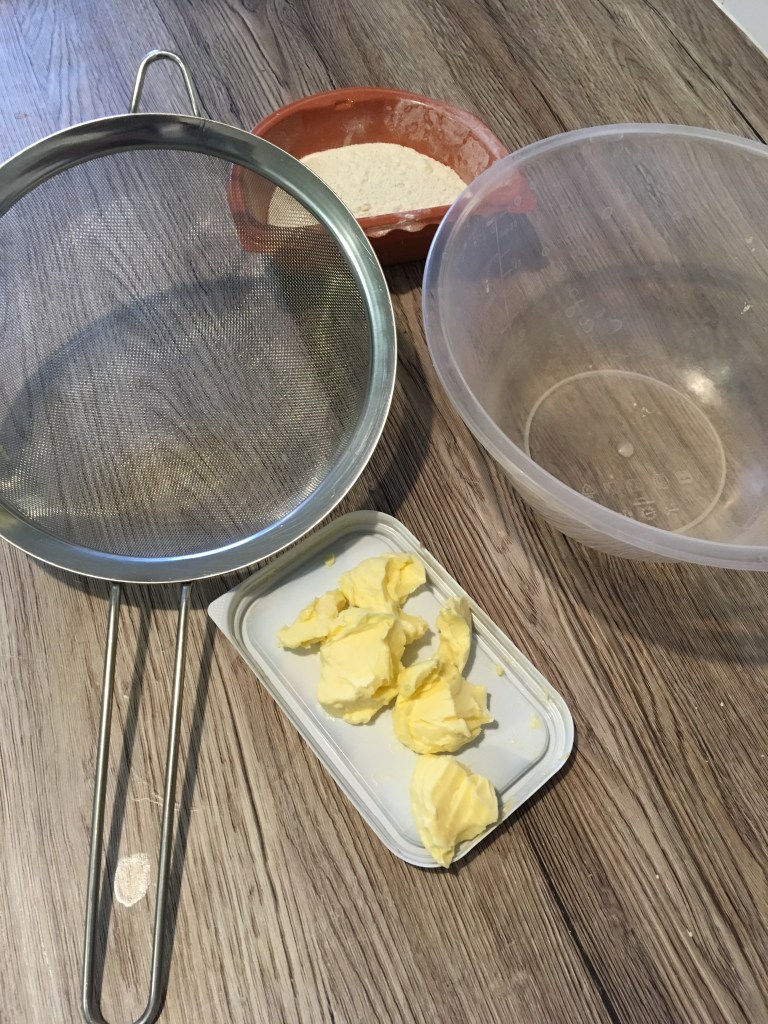
What you need

  • Mixing Bowl
  • Sieve
  • Flour
  • Butter

In this example i’m using 100g of flour and 50g of butter (half fat to flour) which will result in a crumble mix with no flavour/sweetness, but its just for explanation purposes.

What to do

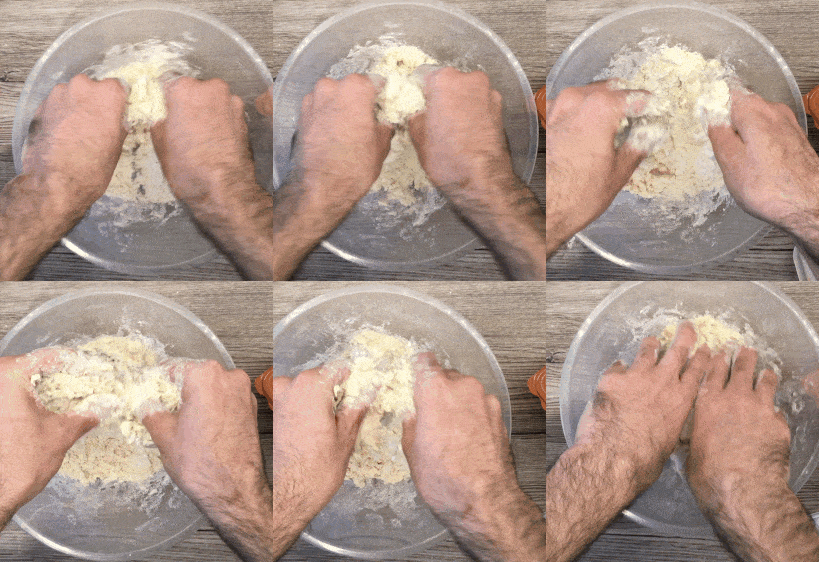
First, the actual motion of rubbing in, i make a circular motion with my thumb into the other 3 fingers like this

rubbing in hand movement

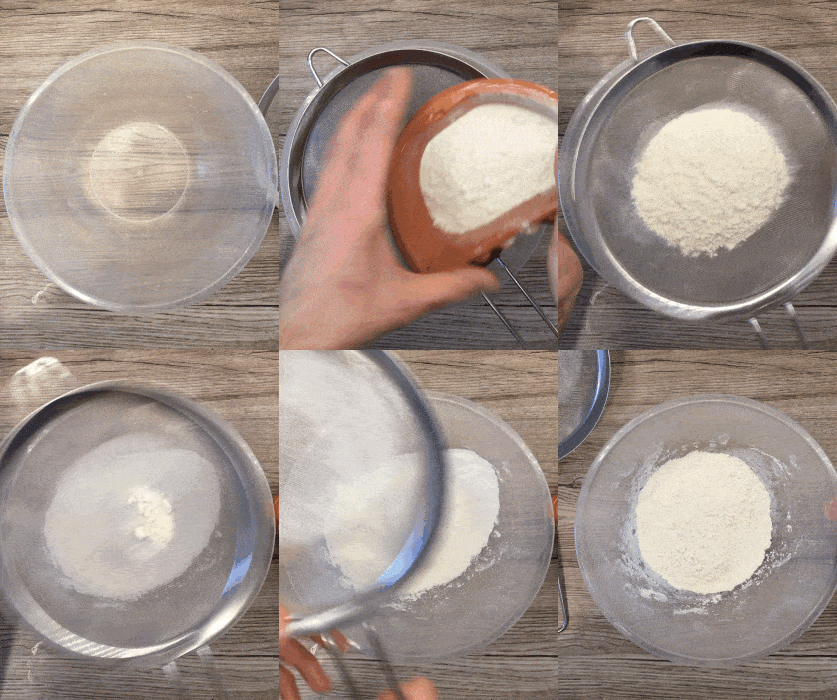
You don’t have to sift the flour, but i like to as it removes any lumps.

Sift flour

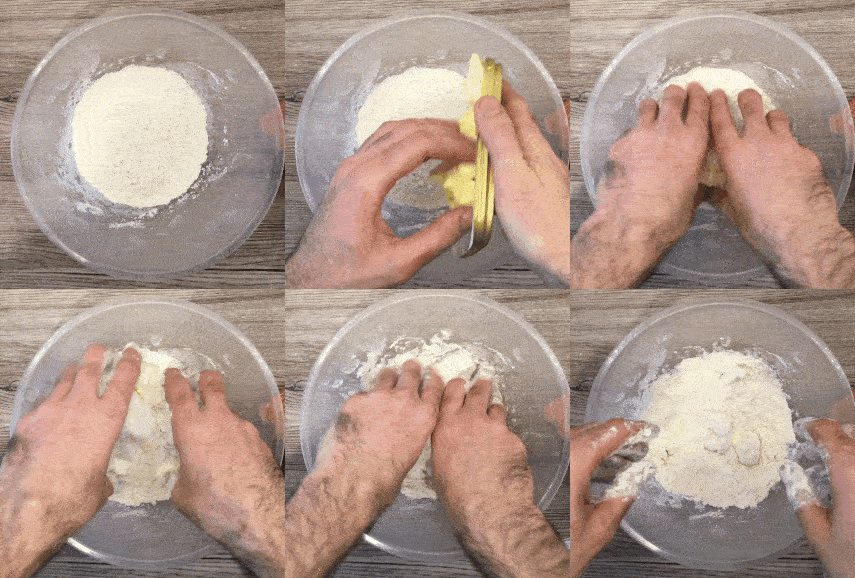
Add the butter and coat it with the flour.

coat the butter with flour

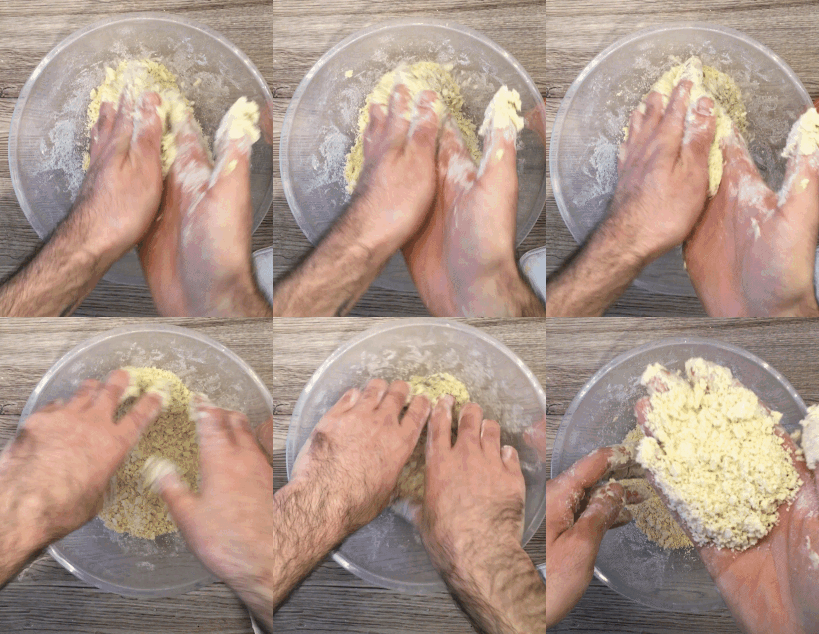
Now start to pinch and rub the butter, like with the motion we learnt at the start.

As it all comes together start to rub it against your hands, it should be a pale golden/yellow colour and looks a bit like breadcrumbs.

And thats how we rub in flour and butter!

Banoffee pie recipe

An English classic, toffee and banana, invented in East Sussex in the 70s when the chefs eventually reworked an American dish of a coffee toffee pie.

Here’s my recipe for banoffee pie;

Ingredients (makes 1 pie, enough for 8-12)

For the filling

  • 100g soft brown/light muscovado sugar
  • 1 tin of sweet condensed milk (about 380g)
  • 100g butter
  • 2 tsp vanilla extract/essence

For the topping

  • Bananas! As many or as few as you like, I usually use 3 or 4
  • 300ml double cream
  • 50g caster sugar
  • 50g white or dark chocolate

For the base

  • 1 pack of digestive biscuits
  • 100-200g butter

Equipmemt

  • Food processor, or rolling pin and a ziplock bag and/or tea towel
  • Mixing bowl
  • Measuring jug
  • Whisk, an electric one helps
  • Wooden spoon
  • Pallet knife
  • Piping bag
  • Tart case/quiche dish (22-24cm)
  • Chopping board
  • Knife
  • Microwave, or saucepan
  • Saucepan
  • Fine grater

Prep and cooking (60+ minutes)

  1. First make the base by smashing the biscuits, this is where a food processor helps, if you don’t have one just put the biscuits in a ziplock bag, wrap it in a tea towel and smash it with a rolling pin until it’s fine with little or no lumps.
  2. Melt the butter in the microwave/saucepan and mix with the biscuit until it holds its shape, using more butter will help it hold better but too much will make the base go soggy so don’t over do it.
  3. Grease the tart dish with butter and place the crumb in, fill the base and push down with a wooden spoon/hands.
  4. Put in the fridge for 10-20 minutes to chill.
  5. Whilst it’s chilling make the filling by heating the butter in a saucepan on a low heat and add the sugar. Stir constantly until the whole mixture is smooth and clean then add the condensed milk.
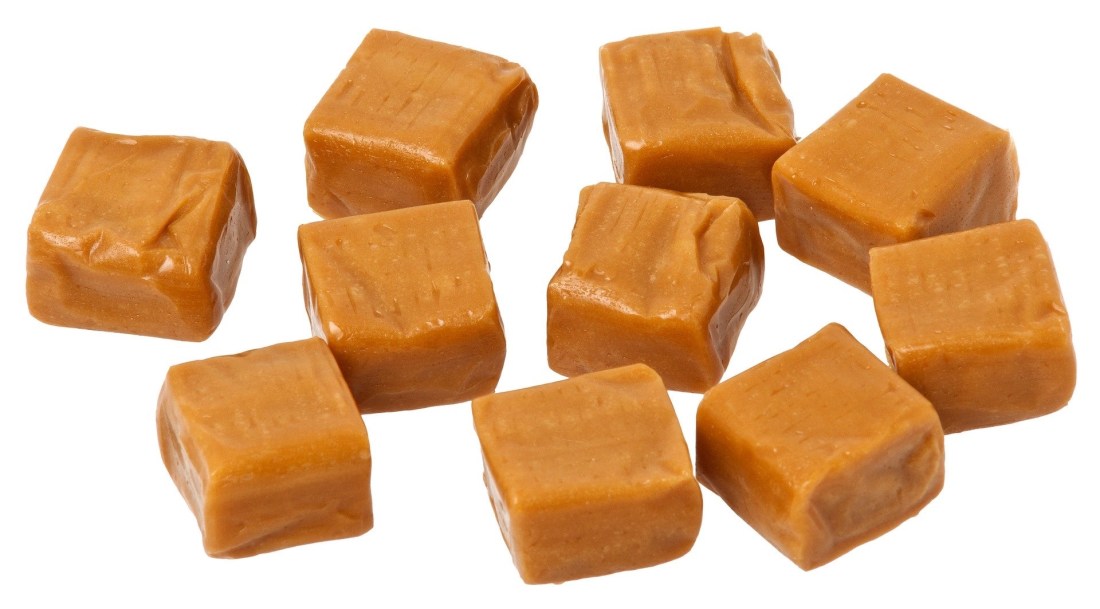
  6. Turn the heat up full, as it starts to come to the boil turn the heat back down low to simmer for about 5 minutes, make sure you keep stirring it and it should start to turn into a rich deep caramel.
  7. Pour this onto the biscuit base and level it out with a pallet knife. Put it back in the fridge for about 29 minutes until the caramel is cool.
  8. Ideally you need to do this fairly soon to when you intend to serve it as banana discolours quite fast, you can easily keep the base in the fridge for 2-3 days;
  9. Slice the bananas and place on top of the caramel however you wish.
  10. Whisk the double cream until whipped to soft peaks. Spread or pipe over the bananas.
  11. Grate the chocolate on top of the cream, you could make a caramel sauce to go over the top.
  12. Eat the damn thing!

More recipes soon!

London cheesecake recipe

Is it a cheesecake? No.

Is it a cake? No.

Does it have cheese? No.

Is it from London?

Honestly, I’m not sure, but from what I’ve heard it comes from an English chap who coined it with the name when given a task to do under pressure (scroll to the bottom for the story)

Recipe!

Ingredients (makes 6 pastries, or 1 huge one)

  • 1 (or more) sheet of pre rolled puff pastry
  • Frangipane, enough to fill the pastry, 250-300g should be plenty
  • Jam, whatever you like best
  • Desiccated coconut
  • Icing sugar to make enough chocolate icing to cover the top of the pastry(s) (200-400g)
  • Eggwash or some milk

Equipment

  • Knife
  • Baking tray
  • Baking paper
  • Desert spoon
  • Mixing bowl
  • Sieve
  • Pastry brush

Prep and cooking (30-60 minutes)

  1. Start by heating the oven to about 180°c fan.
  2. Unroll the sheet of pastry and cut it in half along the long edge.
  3. Now you want to cut each half into 6, (with each half separately) cut the half in half vertically and then into thirds horizontally. This should leave you with 12 equal square/rectangles of puff pastry.
  4. line a baking tray with baking paper and put 6 pieces of pastry on it, these are the bases for your London cheesecakes.
  5. In the middle of each put about 1 tbsp of jam and flatten it a little, you want to leave 0.5-1 inch bare around the edges.
  6. Put some frangipane on top of the jam and spread out a little to cover it.
  7. Brush a small amount of egg wash/milk around the edges of put the top on each ‘cheesecake’. Push down lightly and try to make sure no filling comes out.
  8. Bake in the oven for 20-30 minutes until golden and risen.
  9. When they’re ready take out of the oven to cook and make the icing by sifting the sugar into a mixing bowl. Add 1-2 tbsp of water and mix, add more water accordingly but only a tiny bit at a time as it’s easy to over do. Mix until thick but plyable.
  10. When the pastry is cool cover each one with icing and sprinkle desiccated coconut oven the top.
  11. Eat one, or two, or..ten?

Where did it come from?

I first heard about this a coworker mentioned a cockney cheesecake, some kind of pastry with coconut.

After looking into it turns out he meant a London cheesecake, and after some research it seems there’s mixed opinions on why it’s given that name, a lot of people seem to think it’s because the coconut represents cheese curds.

The most amusing story I found, and is the one I always go with, is that on a trip to America an English person was asked by an American friend to show him what a cheesecake is as he’d heard how great they are.

No knowing how to make it, the Englishman went through the cupboards and put together something with what he could find, the end product was given to the American as a ‘London cheesecake’.

Or so the story goes.

More recipes soon!